Health and Safety Risks Associated With Groundhog Activity
Groundhog control by local service providers helps reduce health and safety risks associated with groundhog activity by safely removing pests and preventing property damage.
Groundhog activity on a property can pose several health and safety risks that property owners should be aware of. Groundhogs may create extensive burrow systems that undermine the stability of lawns, gardens, or even building foundations, leading to potential structural hazards. Additionally, groundhogs can carry parasites and diseases that might be transmitted to humans or pets, especially if burrow entrances are disturbed or if there is direct contact. Recognizing these risks early can help property owners take appropriate steps to prevent accidents and health issues, making it important to understand the potential hazards associated with groundhog activity.
For those concerned about these safety considerations, local service providers specializing in groundhog control can offer practical solutions to address the problem safely and effectively. These professionals are equipped to assess the extent of groundhog activity, identify potential hazards, and implement humane removal or exclusion methods. Connecting with experienced contractors ensures that groundhog-related risks are managed properly, helping property owners maintain a safe environment while preventing future issues. Keep reading to explore how local pros can help keep grounds secure and free from groundhog-related concerns.
- Groundhog Removal Services - when groundhog activity has created burrows near structures, local contractors can assess and safely remove animals to reduce health risks.
- Habitat Exclusion Services - if groundhogs are invading gardens or yards, local service providers can implement exclusion methods to prevent further activity and associated safety concerns.
- Burrow Stabilization Services - in cases where groundhog burrows threaten property stability or pose tripping hazards, local pros can secure or fill burrows to mitigate safety risks.
- Sanitation and Debris Removal Services - after groundhog activity, local contractors can clear debris and contaminated materials to prevent disease transmission and health hazards.
- Preventative Groundhog Control Services - when ongoing activity raises safety concerns, local experts can establish barriers and deterrents to minimize future health and safety risks.
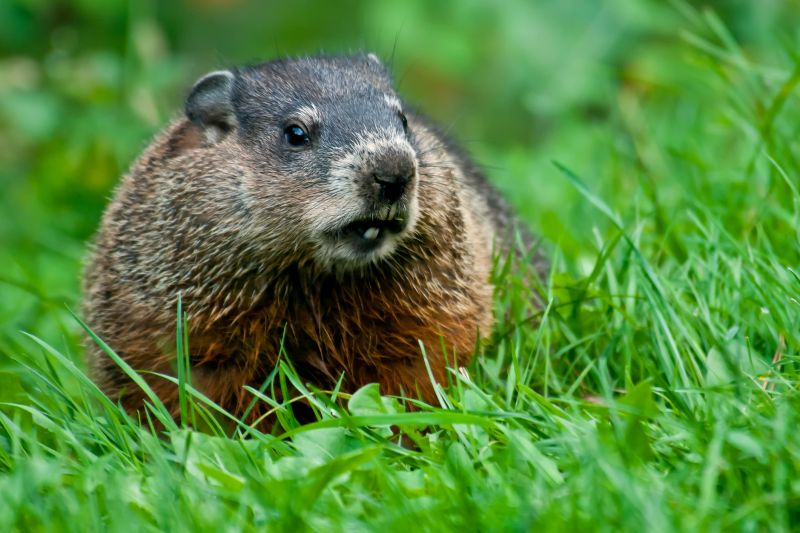


People searching for information on health and safety risks associated with groundhog activity are often concerned about the potential hazards these animals can pose to their property and personal well-being. Groundhogs, also known as woodchucks, are burrowing rodents that can cause significant structural and landscape damage when they establish extensive underground tunnels. Such activity can weaken foundations, create sinkholes, or cause uneven ground surfaces, increasing the risk of trips and falls. Additionally, groundhog burrows can attract other pests or predators, which may introduce further health concerns. Homeowners typically look for guidance on how to identify these risks and what steps to take to protect their families and property.
This topic relates closely to plans for property maintenance, pest control, or damage prevention. Groundhog activity can undermine lawns, gardens, and even the structural integrity of sheds, decks, or retaining walls. Homeowners often seek solutions that not only remove the groundhogs but also prevent future intrusion, especially when the activity is persistent or widespread. The health and safety risks associated with groundhog activity highlight the importance of professional removal and control methods. Local service providers with experience in groundhog control can evaluate the extent of activity, identify potential hazards, and recommend safe, effective solutions to mitigate these risks.
The types of properties most commonly affected by groundhog activity include residential yards, suburban homes, farms, and rural properties. These animals prefer open areas with easy access to food sources like gardens, vegetable patches, or compost piles. Properties with poorly maintained lawns, unsealed foundations, or accessible burrow entrances are especially vulnerable. Groundhogs tend to establish their burrows near structures or in areas with soft soil that’s easy to excavate. Recognizing the signs of active groundhog activity-such as fresh digging, burrow entrances, or damaged landscaping-can help homeowners determine when professional groundhog control services are needed to address health and safety concerns.
Understanding how groundhog activity connects to health and safety risks is crucial for homeowners facing ongoing issues. Burrowing animals can create unstable ground conditions and introduce hazards that threaten safety, especially for children or elderly residents. Professional groundhog control service providers play a vital role in safely removing these animals and sealing off entry points to prevent future activity. They can also advise on landscape modifications or barriers that reduce the likelihood of groundhogs returning. By working with local experts, homeowners can better manage the risks associated with groundhog activity and protect their property and loved ones from potential harm.
Wildlife Damage Repair - Professionals who handle wildlife damage repair often address hazards caused by groundhog burrows, ensuring safety and structural integrity.
Pest Control Services - Pest control experts manage groundhog infestations, reducing health risks associated with burrowing animals and their droppings.
Property Inspection and Assessment - Inspectors evaluate land for groundhog activity, identifying potential health and safety hazards before they escalate.
Landscaping and Land Clearing - Land clearing specialists remove groundhog burrows and damaged vegetation, minimizing risks of injury or disease transmission.
Wildlife Exclusion and Barrier Installation - Contractors install barriers to prevent groundhog intrusion, reducing the likelihood of health hazards related to groundhog activity.
Soil and Ground Stabilization - Soil stabilization experts address ground instability caused by burrowing, helping prevent accidents and safety concerns.
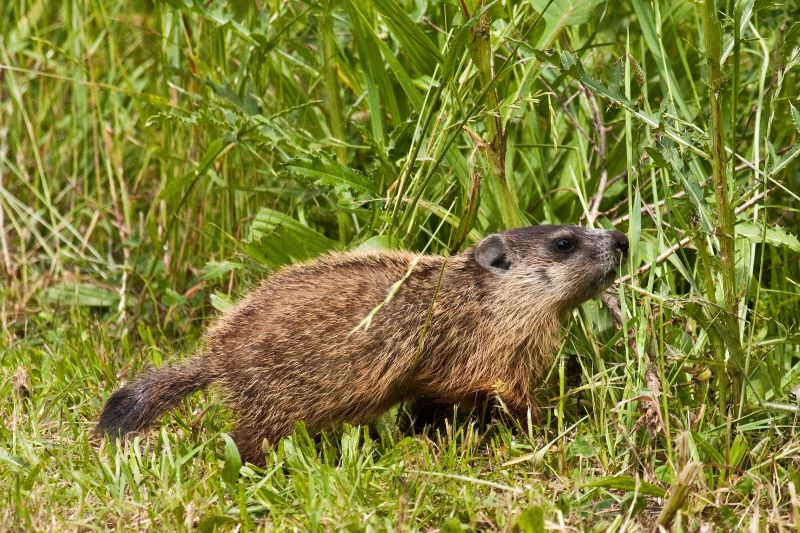
When evaluating groundhog control services related to health and safety risks associated with groundhog activity, it’s important to consider the experience of local contractors with similar projects. A service provider with a proven track record handling groundhog-related issues will be familiar with the potential hazards, such as burrowing near foundations or the presence of disease-carrying pests. Asking about past projects can help determine if a contractor has the practical knowledge needed to manage these risks effectively and safely, ensuring that they understand the specific challenges that come with groundhog activity in residential areas.
Clear written expectations are essential when comparing local service providers for groundhog control. This includes understanding the scope of work, the methods they plan to use, and how they will address health and safety considerations throughout the process. A detailed proposal or estimate that outlines these elements can help prevent misunderstandings and ensure that safety protocols are explicitly communicated. Service providers who are transparent about their approach and provide comprehensive documentation demonstrate a professional commitment to safety and clarity, making it easier to assess how well they align with homeowner concerns about health risks.
Good communication and reputable references are key factors in selecting a groundhog control specialist. Reliable local contractors should be willing to share references or testimonials from previous clients who had similar groundhog-related issues. This feedback can provide insights into how effectively they manage health and safety risks and how responsive they are to homeowner questions or concerns. Open, ongoing communication also allows homeowners to stay informed about safety measures and progress, which is vital when dealing with potential health hazards associated with groundhog activity. Choosing service providers known for clear communication and positive references can help ensure that safety remains a priority throughout the project.
Property owners often search for health and safety risks associated with groundhog activity when they are planning practical projects around their homes and businesses. Local pros provide Groundhog Control services for everyday jobs and straightforward project options.
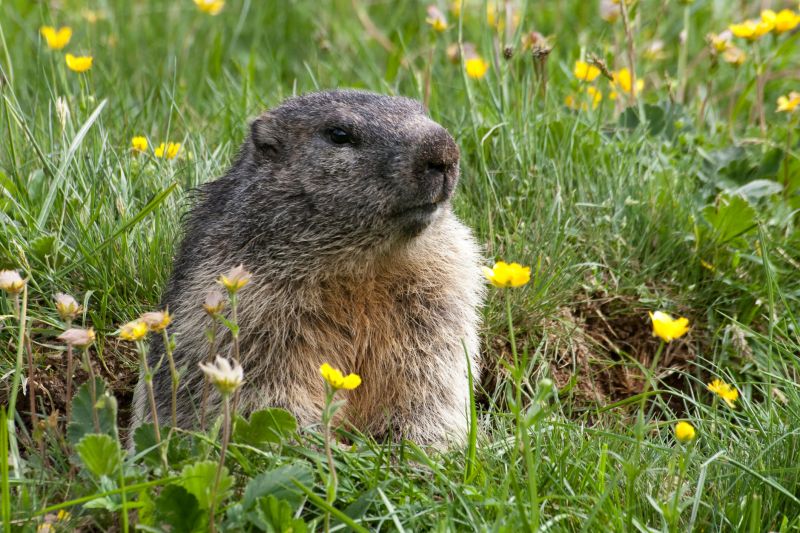
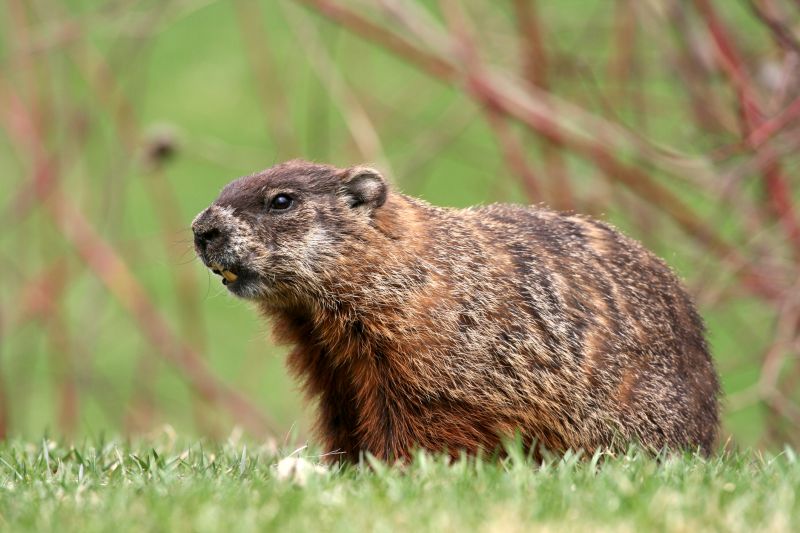
Groundhog activity around residential or commercial properties can pose several health and safety risks that property owners should be aware of. Groundhogs often burrow underground, which can lead to the creation of extensive tunnel systems that undermine the stability of lawns, gardens, and even building foundations. These burrows may collapse unexpectedly, creating tripping hazards or causing damage to landscaping and structures. Additionally, groundhogs can carry parasites or diseases that might be transmitted through bites or contact, raising concerns about potential health issues for residents and pets.
In everyday project situations, property owners might find themselves needing to address these risks to ensure safety and prevent property damage. Local contractors specializing in groundhog control services are equipped to handle these concerns effectively. They can assess the extent of groundhog activity, safely remove the animals, and implement measures to prevent future issues. Consulting with experienced service providers can help property owners manage health and safety risks associated with groundhog activity, safeguarding both people and property from avoidable hazards.
What health risks can groundhog activity pose to people? Groundhog activity can lead to health risks such as exposure to parasites, bacteria, and potential bites or scratches from groundhogs or their nests, which may cause infections or other health issues.
How can groundhog burrows impact safety around properties? Groundhog burrows can create tripping hazards, structural damage, or collapse risks, increasing the likelihood of injuries for residents or visitors nearby.
What hazards are associated with groundhog control efforts? Control efforts may expose individuals to zoonotic diseases, bites, or encounters with aggressive animals, emphasizing the importance of professional handling by experienced service providers.
Why should property owners consider professional groundhog removal for safety? Professional groundhog control services help mitigate health and safety risks by safely removing groundhogs and their burrows, reducing the chance of injury or disease transmission.
Are there safety concerns related to groundhog activity in urban areas? Yes, groundhog activity in urban settings can increase risks such as disease spread, structural damage, and accidents, which local contractors can help address safely and effectively.
Identify health hazards - Property owners can work with local contractors to assess areas where groundhog burrows may pose health risks, such as exposure to parasites or bacteria.
Implement safety measures - Local service providers can help install barriers or fencing to prevent groundhog entry, reducing potential health safety issues.
Manage waste and debris - Professionals can assist in safely removing groundhog droppings and nests to minimize exposure to zoonotic diseases.
Educate on safe handling - Groundhog control services can offer guidance on avoiding direct contact with groundhogs or contaminated materials to maintain safety.
If you are thinking about health and safety risks associated with groundhog activity for a property, this guide is meant to help you understand this topic, the typical project types, and how different options might fit your plans.
When you are ready, you can use the quote form on this page to share a few details about your project. From there, local pros can review the basics and follow up with options that match what you have in mind.