How Groundhogs Damage Lawns, Foundations, and Structures
If you're concerned about how groundhogs damage lawns, foundations, and structures, local contractors can provide effective removal and prevention services to protect your property.
Property owners in the area who notice unusual damage to their lawns, foundations, or structures may find themselves wondering about the causes behind these issues. Groundhogs, while often seen as harmless wildlife, can actually pose significant risks to property when they burrow beneath the ground. Their tunneling activities can create unstable soil conditions, leading to lawn damage, foundation cracks, and even structural problems over time. Understanding how groundhogs damage lawns, foundations, and structures helps homeowners recognize early signs of infestation and take appropriate steps to protect their property.
For those concerned about groundhog activity, local service providers specializing in groundhog removal can offer practical solutions to manage and prevent damage. These professionals have the experience and tools to safely and effectively address groundhog issues, helping to preserve the integrity of lawns and the safety of foundations. Exploring options for groundhog removal and control is a proactive way to safeguard property and maintain a healthy, undamaged landscape. Keep reading to learn more about how groundhogs impact properties and how local experts can assist in resolving these concerns.
- Groundhog removal - homeowners noticing burrows or damage to lawns may need local contractors to safely remove groundhogs and prevent further destruction.
- Damage repair for lawns and gardens - when groundhogs create extensive burrows that ruin landscaping, local pros can assess and restore affected areas.
- Foundation protection - signs of groundhog activity near a foundation can lead to structural issues, prompting local service providers to implement preventative measures.
- Structural damage mitigation - if groundhogs have caused damage to decks, fences, or other structures, local contractors can evaluate and repair the affected components.
- Preventative groundhog exclusion - ongoing groundhog activity threatening property stability can be addressed by local pros through exclusion techniques to keep these animals out.
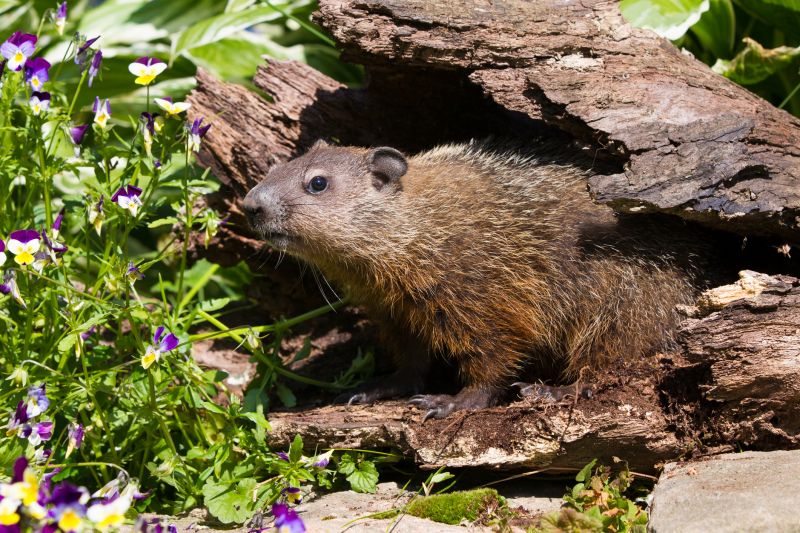


When people search for how groundhogs damage lawns, foundations, and structures, they are often concerned about the visible signs of groundhog activity on their property. This might include extensive burrow systems, uprooted plants, or mounds of soil near the yard’s edges. Homeowners may also notice damage to their home’s foundation or basement walls, which can be caused by groundhog burrowing habits. These searches typically stem from a desire to understand whether groundhogs are responsible for ongoing property issues and how to address them effectively. Recognizing the connection between groundhog behavior and property damage helps homeowners determine if professional removal or preventive measures are necessary to protect their investment.
The problems associated with groundhogs damaging lawns, foundations, and structures often revolve around their burrowing activities. Groundhogs dig extensive tunnels that can weaken the soil around a property, leading to uneven ground and potential tripping hazards. When burrows are constructed near foundations, they can cause shifting or cracking of walls and slabs, especially if the soil becomes unstable or eroded. In addition, groundhogs may gnaw on wooden structures, fences, or utility lines, creating further damage. These issues are common in residential yards, commercial properties, and even in areas with landscaped gardens, making it important for property owners to understand how groundhog activity can escalate into costly repairs if not managed promptly.
Properties most frequently affected by groundhog damage include homes with accessible yards, gardens, or open fields nearby. Suburban neighborhoods with well-maintained lawns are often targets because groundhogs are attracted to the abundant food sources and burrowing opportunities. Farms and rural properties are also at risk, especially those with fields or pastures that provide ample space for groundhogs to establish burrows. Additionally, properties with poorly maintained landscaping, loose soil, or existing damage to foundations are more vulnerable to additional harm from groundhog activity. Recognizing the types of properties that are most susceptible can help homeowners and property managers plan effective removal and prevention strategies.
Local groundhog removal service providers play an essential role in addressing these property concerns. They can assess the extent of groundhog activity, identify burrow locations, and recommend appropriate removal or exclusion methods. Proper removal helps prevent further damage to lawns, foundations, and structures, reducing the risk of costly repairs down the line. Many service providers also offer advice on habitat modification and fencing options to discourage groundhogs from returning. Connecting with experienced groundhog removal experts ensures that property owners receive targeted solutions tailored to their specific property type and damage concerns, helping to maintain the safety and integrity of their homes and landscapes.
Burrowing pest control - professionals who specialize in removing animals like groundhogs often have experience with other burrowing pests that can cause damage to lawns and foundations.
Foundation repair services - contractors familiar with groundhog damage can also address issues caused by animal burrows compromising structural stability.
Land clearing and excavation - these experts are skilled in removing burrows and debris that groundhogs create, helping to restore yard integrity.
Pest exclusion and fencing - providers who install barriers to prevent groundhog intrusion can also help protect structures from future damage caused by burrowing animals.
Yard restoration and landscaping - specialists who repair lawns after groundhog activity can also handle related soil and ground disturbance projects.
Wildlife removal and relocation - these service providers are experienced in humane animal removal, which is essential for addressing groundhog-related damage safely and effectively.
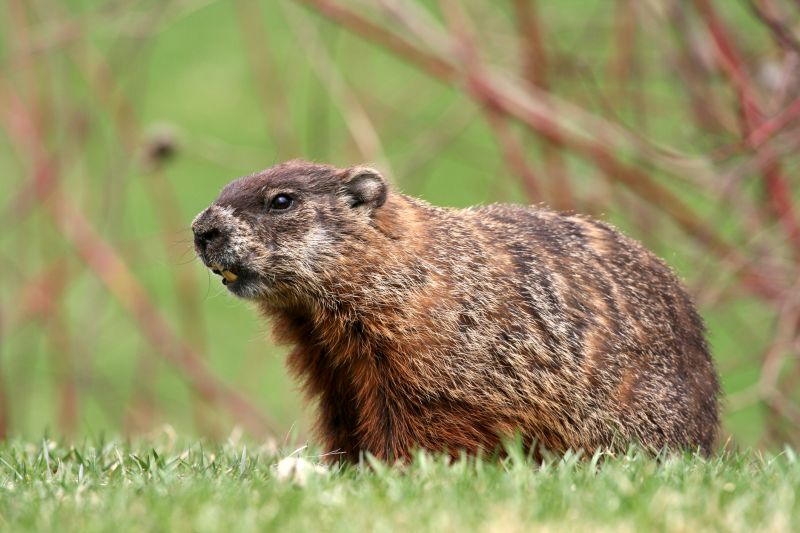
When evaluating service providers for groundhog removal, it is important to consider their experience with similar projects, particularly those involving the damage caused by groundhogs to lawns, foundations, and structures. Contractors with a history of handling groundhog-related issues are more likely to understand the behavior and habits of these animals, as well as the most effective methods for humane removal and damage prevention. Asking about their previous work can help determine if they have the practical knowledge needed to address the specific challenges posed by groundhogs in your area.
Clear written expectations are essential when comparing local contractors for groundhog removal services. A detailed scope of work should outline what the service includes, such as inspection, humane trapping, damage mitigation, and advice on long-term prevention. Having this information in writing helps ensure that both parties are aligned on the process and outcomes, reducing misunderstandings or surprises later on. It also provides a basis for evaluating whether the contractor’s approach matches your concerns about how groundhogs damage lawns, foundations, and structures.
Good communication and reputable references are key indicators of reliable service providers. Contractors who can provide references from previous clients or examples of similar projects demonstrate transparency and a track record of satisfactory work. Effective communication involves prompt responses to questions and the ability to clearly explain the methods used to remove groundhogs and address damage issues. Choosing a contractor who emphasizes open dialogue and can supply credible references can help ensure that the process of resolving groundhog problems is smooth and well-managed.
Property owners often search for how groundhogs damage lawns, foundations, and structures when they are planning practical projects around their homes and businesses. Local pros provide Groundhog Removal services for everyday jobs and straightforward project options.

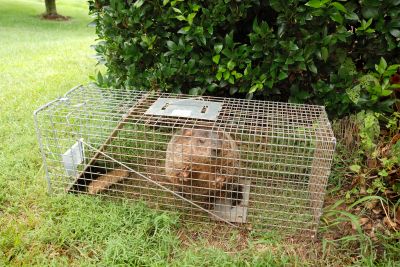
Groundhogs can cause significant damage to lawns, foundations, and structures, especially when they burrow extensively beneath properties. Their tunneling behaviors can lead to uneven ground, weakened soil stability, and unsightly mounds that disrupt the appearance of a yard. In some cases, these burrows may compromise the integrity of a home's foundation or underground utilities, creating potential safety hazards. Property owners might search for groundhog removal services to prevent further damage and restore the safety and appearance of their outdoor spaces.
In addition to lawn damage, groundhogs may burrow near building foundations, leading to cracks or shifting that threaten structural stability. Their extensive tunneling can also create entry points for pests or water infiltration, which can cause long-term issues if left unaddressed. Local contractors experienced in groundhog removal can assess the situation and implement effective solutions to eliminate the problem, helping to protect the property from ongoing damage and costly repairs.
How do groundhogs damage lawns? Groundhogs can create extensive burrow systems that disturb the soil, leading to uneven turf and damaged grass areas. Their digging activities can also uproot plants and create unsightly mounds on the lawn surface.
In what ways can groundhogs affect foundations and structures? Groundhogs often burrow near foundations, which can undermine structural stability over time. Their tunnels may cause cracks in walls or pavement and compromise drainage systems, leading to further damage.
Why is it important to address groundhog activity promptly? Early intervention can prevent extensive damage to lawns, foundations, and structures. Local contractors can effectively remove groundhogs and seal entry points to minimize future issues.
What signs indicate groundhog presence around a property? Signs include fresh burrow entrances, chewed plants, and visible mounds of soil near the base of structures or in open areas. Noticing these can prompt timely removal efforts by service providers.
How can groundhog removal services help protect a property? Local service providers can safely remove groundhogs and implement exclusion methods to prevent re-entry, reducing the risk of ongoing damage to lawns, foundations, and structures.
Identify damage signs - property owners can look for signs of groundhog activity, such as burrows or chewed landscaping, to determine if professional removal is needed.
Assess lawn and foundation issues - understanding how groundhogs damage lawns and structures helps prioritize areas for professional evaluation and repair.
Plan exclusion methods - property owners can explore fencing and habitat modification options with local contractors to prevent groundhog intrusion.
Schedule professional removal - connecting with local pros ensures groundhogs are safely removed, reducing the risk of further damage to lawns and foundations.
If you are thinking about how groundhogs damage lawns, foundations, and structures for a property, this guide is meant to help you understand this topic, the typical project types, and how different options might fit your plans.
When you are ready, you can use the quote form on this page to share a few details about your project. From there, local pros can review the basics and follow up with options that match what you have in mind.